Computed Tomography (CT) Services
Our CT scanners provide rapid, high-resolution cross-sectional imaging for a wide range of clinical needs.
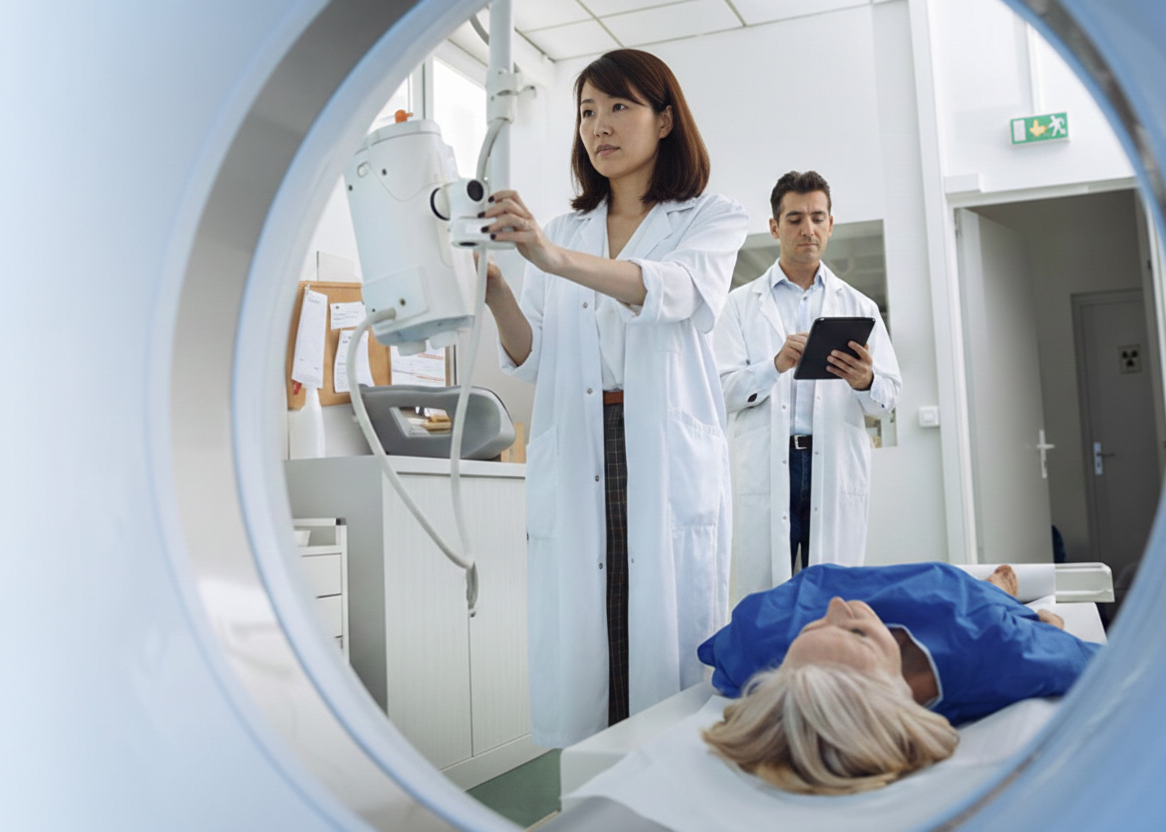
What is a CT?
Computed Tomography (CT) uses X-rays combined with computer processing to create cross-sectional images of the body. CT uses ionizing radiation to produce detailed images quickly, which is particularly valuable for trauma, acute conditions, and certain diagnostic studies.
Available CT Exams
Our CT scanners provide rapid, high-resolution cross-sectional imaging for a wide range of clinical needs. Below are our primary CT protocols:
Abdominal & Pelvic Protocols
These protocols are essential for investigating internal pain, inflammation, and abnormal growths.
Diseases Diagnosed:
- Appendicitis
- Kidney stones
- Diverticulitis
- Bowel obstructions
- Inflammatory bowel disease (IBD)
Organ Specifics: Evaluates the liver, pancreas, spleen, and kidneys for tumors, cysts, and enlarged organs.
Preparation Note: Abdomen and pelvis scans often require an oral contrast drink 1–2 hours before the exam to visualize the digestive tract.
Cardiovascular Protocols
CT is highly effective for visualizing the heart and blood vessels with precise anatomical detail.
Diseases Diagnosed:
- Coronary artery disease (CAD)
- Aneurysms in the aorta and major vessels
- Blood clots (deep vein thrombosis and pulmonary embolism)
- Calcium deposits in the arteries
Specialty Scan: Calcium Scoring of the heart is a proactive screen used at SVMI to assess the risk of future cardiovascular events.
Neurological & Trauma Protocols
Due to its speed, CT is the primary choice for acute injuries and emergencies in the brain and head.
Diseases Diagnosed:
- Strokes (differentiating between bleeding and clots)
- Traumatic brain injuries (TBI)
- Skull fractures
- Brain tumors
Additional Areas: Used for diagnosing sinusitis and detailed imaging of the head and neck.
Musculoskeletal & Oncology Protocols
Musculoskeletal Imaging:
- Identifying complex fractures
- Bone infections (osteomyelitis)
- Arthritis evaluation
Oncology: Locating primary tumors and staging cancers in the lungs, liver, pancreas, and ovaries.
Disclaimer: This information is for educational purposes only. Please consult a qualified medical professional for diagnosis or treatment recommendations.
Patient Preparation
- Bring prior imaging and the referring provider's order.
- For contrast-enhanced CT: fasting for 4 hours may be requested; inform us of allergies and kidney problems.
- Remove jewelry and metal objects from the area being scanned.
- Notify staff if you are pregnant or suspect pregnancy.
Reports & Turnaround
CT exams are interpreted by our board-certified radiologists. Final reports are typically sent to the referring physician within 48 hours. Critical or urgent findings are communicated immediately to the ordering provider.
Schedule an Appointment
